Dermatologist-Recommended Sunscreen for Sensitive Skin
Sunscreen is a daily skincare essential, but for people with sensitive skin, finding the right one can be difficult. Many sunscreens cause irritation, redness, burning, or breakouts, which often leads people to avoid using them altogether. Dermatologists agree that skipping sunscreen is not the solution. The key is choosing a formula that protects your skin while staying gentle and comfortable for daily use. This guide explains how to choose a dermatologist-recommended sunscreen for sensitive skin in a clear, simple, and practical way.
Why Sensitive Skin Needs Sunscreen
Sun exposure damages the skin every day, even when it does not feel hot or sunny. Sun rays can damage your skin. They can break down collagen, cause wrinkles, and raise the risk of skin cancer. Sensitive skin reacts faster, often showing redness and irritation. Using sunscreen every day protects your skin and keeps it healthy.
Understanding SPF and Its Importance
SPF, or Sun Protection Factor, measures how well a sunscreen protects against UVB rays, which cause sunburn. Many people believe higher SPF means complete protection, but that is not true. SPF 30 blocks about 97 percent of UVB rays, while SPF 50 blocks about 98 percent. Dermatologists recommend SPF 30 or higher for daily use because the difference beyond that is small. What matters more is applying enough sunscreen and reapplying it every two hours when outdoors.
Broad-Spectrum Protection Matters
SPF alone does not tell the full story. UVA rays penetrate deeper into the skin and cause wrinkles, dark spots, and long-term damage. They also contribute to skin cancer. This is why dermatologists strongly recommend using a broad-spectrum sunscreen. Broad-spectrum sunscreen protects your skin from both UVA and UVB rays. This gives better and complete protection, especially for sensitive skin.
What PA Ratings Mean
Some sunscreens include a PA rating, which measures UVA protection. The more plus signs a sunscreen has, the stronger its UVA defense. While PA ratings are not required in the U.S., they help consumers better understand how well a product protects against aging rays. This information is especially helpful for people with sensitive or melanin-rich skin.
Why Mineral Sunscreens Are Best
Dermatologists often recommend mineral sunscreen for sensitive skin. Mineral sunscreens use zinc oxide or titanium dioxide to block UV rays by sitting on top of the skin. Zinc oxide blocks both UVA and UVB rays and can calm irritated skin. The FDA says it is safe, making mineral sunscreen a good choice for sensitive or acne-prone skin.
Chemical Sunscreens: What You Should Know
Chemical sunscreens absorb UV rays into the skin and convert them into heat. These formulas often feel lighter and blend easily, but they may cause stinging or irritation for sensitive skin. Some studies have shown that chemical sunscreen ingredients can be absorbed into the bloodstream, although research is still ongoing. Because of this, many dermatologists suggest mineral sunscreen as the first choice for sensitive skin.
Beware of “Sunscreen Doping”
Some sunscreens combine mineral and chemical filters, while others claim to be “100 percent mineral” but include chemical-like ingredients that are not clearly disclosed. This practice is sometimes called sunscreen doping. These added ingredients can improve texture or SPF but reduce transparency. If you want a truly mineral sunscreen, it is important to read the full ingredient list, not just the front label.
Water Resistance and Daily Use
If you sweat or swim, water resistance matters. Sunscreens are labeled as water-resistant for either 40 or 80 minutes. No sunscreen is waterproof, and all formulas need to be reapplied after swimming, sweating, or towel drying. Even with water resistance, regular reapplication is necessary for effective protection.
Understanding Natural and Reef-Safe Labels
Terms like natural, clean, and reef-safe are often used in sunscreen marketing, but they are not regulated by the FDA. In general, mineral sunscreens are considered reef-safe and are less likely to irritate sensitive skin. Choosing fragrance-free and alcohol-free formulas can also help reduce the risk of reactions.
How to Choose the Right Sunscreen
A good sunscreen for sensitive skin should have SPF 30 or more, protect against both UVA and UVB rays, and use zinc oxide as the main ingredient. Avoid strong fragrances and harsh additives. Dermatologists agree that the best sunscreen is the one you will actually use every day, so comfort and wearability matter.
Applying Sunscreen Correctly
Most people do not apply enough sunscreen. A nickel-sized amount is recommended for the face, and about one ounce is needed for the full body. Sunscreen should be applied 15 minutes before sun exposure and reapplied every two hours when outdoors. Makeup with SPF alone is not enough to provide proper protection.
Combining Sunscreen With Other Protection
For full sun protection, use sunscreen along with hats, sunglasses, and protective clothing. Stay in the shade during the strongest sun hours. These steps help keep your skin healthy and calm.
Sensitive Skin Deserves the Best Care
Sensitive skin needs extra care. Daily sunscreen protects your skin’s health and appearance. Mineral sunscreens are often the safest and most reliable option, especially for daily use. Protection should never come at the cost of comfort or confidence.
FAQs:
What is the best sunscreen for sensitive skin? The best sunscreen for sensitive skin is usually a mineral-based formula with zinc oxide or titanium dioxide. These ingredients block UV rays without irritating the skin. Look for SPF 30 or higher and broad-spectrum protection.
Can chemical sunscreens irritate sensitive skin? Yes, chemical sunscreens can sometimes cause redness, burning, or breakouts. Sensitive skin reacts better to mineral sunscreens, which sit on top of the skin and are gentle yet effective.
How often should I apply sunscreen? Apply sunscreen 15 minutes before going outside. Reapply every 2 hours, especially if you are sweating, swimming, or wiping your face. Using enough sunscreen is as important as choosing the right type.
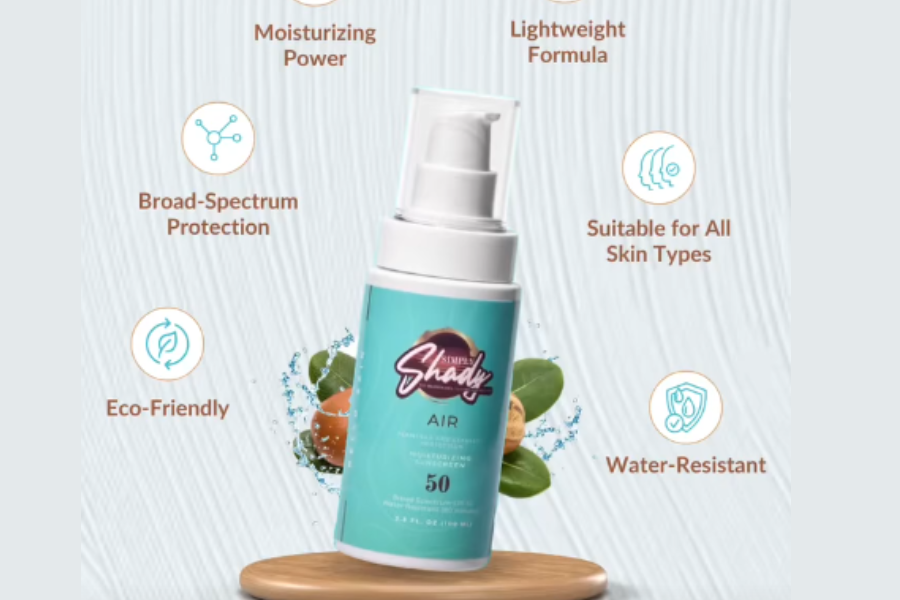
Does tinted sunscreen help sensitive skin? Yes! Tinted mineral sunscreens, like Simply Shady, protect against UV rays and also help even out skin tone. They are gentle and moisturizing, making them perfect for sensitive or acne-prone skin.
Can I use sunscreen on my face and body if I have sensitive skin? Absolutely. Choose a fragrance-free, hypoallergenic formula for sensitive skin. Mineral sunscreens are safe for both face and body, including delicate areas like around the eyes.
Simply Shady: 2-in-1 Protection and Glow
Discover Simply Shady, your 2-in-1 beauty solution for glowing and protected skin. Our mineral-based tinted sunscreen offers broad-spectrum protection while providing seamless tone correction for all skin tones. The moisturizing formula is gentle enough for sensitive and acne-prone skin and helps maintain the skin’s natural moisture barrier. Simply Shady enhances your skin without hiding it, because your melanin deserves the best. Shop Simply Shady today and glow with confidence.